
UVA environmental thought and practice transforms academic environmental theory into measurable conservation outcomes through a framework that bridges classroom learning with field-level ecosystem protection. This approach, pioneered at the University of Virginia, combines ecological science, policy analysis, and community engagement to create conservation strategies that hold up in court and on the ground.
The framework matters because environmental protection increasingly demands both scientific rigor and legal defensibility. When community groups challenge destructive development or advocate for watershed protection, they need more than passion. They need documented impact assessments, peer-reviewed methodologies, and evidence that meets judicial standards. UVA’s model provides exactly that: a structured process for translating environmental principles into actionable, legally sound conservation work.
For Canadian communities protecting urban forests, wetlands, and heritage landscapes, this framework offers a proven pathway. The same principles that have shaped land-use decisions in Virginia apply directly to municipal tree bylaws, species-at-risk protection, and climate adaptation planning across Canada. Legal victories in environmental law consistently rely on well-documented field research, stakeholder collaboration, and clear demonstration of ecological value. These are the core pillars of environmental thought and practice.
What follows is a practical guide to implementing this framework in your conservation work. You’ll learn the essential tools needed, safety protocols for field research, step-by-step implementation methods, and verification techniques to ensure your efforts create lasting, legally defensible environmental protection. This isn’t abstract theory. It’s the practical foundation that turns environmental advocacy into concrete wins for the ecosystems and communities that depend on them.
Understanding UVA Environmental Thought and Practice
UVA’s Environmental Thought and Practice framework operates at the intersection of philosophy, ecology, law, and community action. Rather than treating environmental problems as purely scientific challenges requiring technical fixes, this approach recognizes them as complex issues demanding ethical reflection, policy innovation, and coordinated human response. The framework asks practitioners to consider not just what is happening to our environment, but why it matters, who is affected, and how we should respond through both individual choices and collective advocacy.
This interdisciplinary model emerged from decades of environmental scholarship showing that successful conservation requires more than data collection. You need moral clarity about why protecting ecosystems matters, legal structures that enforce environmental protections, scientific evidence that documents harm and restoration, and engaged communities willing to fight for change. When environmental groups challenge destructive development projects or advocate for stronger pollution controls, they draw on all these elements simultaneously: scientific reports documenting ecological damage, legal arguments about violated regulations, ethical claims about our obligations to future generations, and organized citizen pressure demanding action.
For Canadian conservation advocates and legal organizations, this framework proves particularly relevant. Our courts increasingly recognize that environmental protection requires balancing competing interests through principled reasoning, not just technical compliance. Judges want to see clear evidence of harm, strong legal arguments, and demonstration that affected communities support intervention. When you approach environmental challenges through this comprehensive lens, you build cases that succeed in courtrooms, persuade policymakers, mobilize public support, and create lasting change.
The framework also prevents common advocacy mistakes. Groups that rely solely on scientific data without legal backing struggle to force action. Those with strong legal arguments but weak community support face legitimacy challenges. Environmental thought and practice ensures your conservation work addresses all dimensions of the problem, from proving ecological harm to building the political will necessary for meaningful response.
Essential Tools and Resources for Environmental Action
Turning environmental principles into effective conservation work requires the right resources and infrastructure. Whether you’re launching a legal challenge against a development project or organizing community stewardship, having established tools makes the difference between scattered effort and sustained impact.
Legal frameworks form the foundation of successful environmental advocacy. Understanding federal statutes like the Canadian Environmental Protection Act and provincial environmental bills of rights gives your work legal grounding. The environmental protection agency framework shows how regulatory structures protect ecosystems, while municipal bylaws often provide the most direct path for community action. Access to environmental legal organizations connects you with attorneys who can assess your case’s viability and identify the strongest legal approaches for your specific situation.
Scientific data sources strengthen every environmental claim. Government databases provide baseline ecological information, from species-at-risk inventories to air quality monitoring stations. Academic research partnerships give community groups credibility, while citizen science platforms let you document environmental changes systematically. Photography, water sampling kits, and GPS mapping tools turn observations into admissible evidence.
Key resources to build your environmental action capacity include:
- Environmental law databases and legal precedent collections for research
- Open-source GIS mapping platforms to visualize threats and protected areas
- Community organizing toolkits with petition templates and meeting guides
- Fundraising platforms designed for environmental nonprofits and legal funds
- Documentation systems for tracking correspondence, evidence, and campaign milestones
- Media outreach resources including press release templates and journalist contacts
Funding mechanisms sustain long-term efforts. Environmental grant programs support everything from legal fees to ecological restoration projects. Donor management systems help organizations build supporter relationships that fund multi-year campaigns. Crowdfunding platforms work well for urgent interventions, while planned giving programs secure resources for ongoing protection work.
The most effective advocates combine these resources strategically. Legal expertise guides what evidence to collect, scientific data informs legal arguments, community organizing builds pressure for enforcement, and proper documentation turns individual victories into replicable models. You don’t need every tool immediately, but knowing what exists lets you assemble the right combination for your particular conservation challenge.
Important Considerations Before You Begin
Before you translate environmental thought into conservation action, understand the legal and ethical terrain. Launching initiatives without proper groundwork can undermine your efforts, expose your organization to liability, or damage relationships with the very communities you aim to support.
First, familiarize yourself with the legal frameworks governing environmental work in your jurisdiction. Canada’s environmental regulations operate across federal, provincial, and municipal levels, creating a complex web of permit and law compliance requirements. Research which agencies oversee the land or water you’re concerned about, what activities require permits, and how to use environmental law as a tool rather than an obstacle. Ignorance of these requirements won’t excuse violations.
Community consultation deserves equal weight with legal compliance. The most technically sound conservation plan will fail if it ignores local knowledge, dismisses community priorities, or imposes solutions from outside. Schedule listening sessions before action sessions. Identify who speaks for affected communities, who holds traditional knowledge about the ecosystem, and who will bear the costs or reap the benefits of your proposed changes.
Conduct an honest risk assessment before committing resources. What are the financial costs if litigation drags on for years? Can your coalition sustain momentum through setbacks? Will opposing powerful economic interests invite retaliation against community members? Recognize when professional legal counsel becomes essential, particularly before filing suits, making formal regulatory complaints, or entering negotiations with government bodies or corporations.
Step-by-Step Process for Implementing Environmental Thought in Practice
Assess and Identify Environmental Concerns
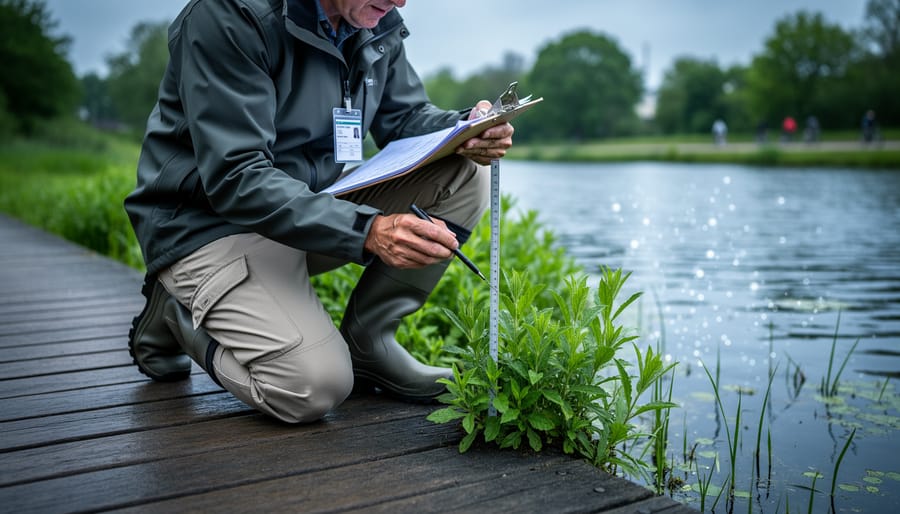
Start by walking your neighbourhood with fresh eyes, look for clear-cut signs like dying vegetation, unusual odours, discoloured water, or construction threatening green spaces. Document what you observe with dated photographs and GPS coordinates. Talk to long-time residents who can describe changes over months or years; their lived experience often reveals patterns invisible in a single visit.
Next, consult publicly available resources. Provincial environmental databases, municipal planning applications, and federal species-at-risk registries provide baseline data. Compare your observations against historical records to establish whether conditions have deteriorated. Request relevant permits and environmental assessments through freedom of information requests, these documents reveal what regulators knew and when.
Determine whether your concern falls under existing community environmental safeguards or requires legal intervention. Clear violations of environmental laws, unpermitted development in protected areas, discharge of pollutants into waterways, or destruction of habitat for endangered species, typically demand legal action. Issues requiring policy change, like inadequate urban tree bylaws, benefit more from advocacy campaigns and coalition-building.
Consider urgency and irreversibility. If a forest faces imminent clear-cutting or wetland drainage is scheduled, immediate legal injunctions may be necessary. For chronic problems like ongoing pollution or gradual habitat loss, you have time to build a comprehensive case with scientific studies and community testimony. The stronger your preliminary evidence, the more effectively legal teams can craft winning strategies.
Build Your Case with Evidence and Community Support
Building a strong environmental case requires both hard data and broad-based community support. Start by systematically documenting the environmental harm using established environmental monitoring methods photograph changes over time, collect water or soil samples where legally permissible, and track patterns such as species decline or habitat degradation. Work with local universities or environmental organizations to access scientific expertise that can validate your observations and connect them to broader ecological principles, including climate science today.
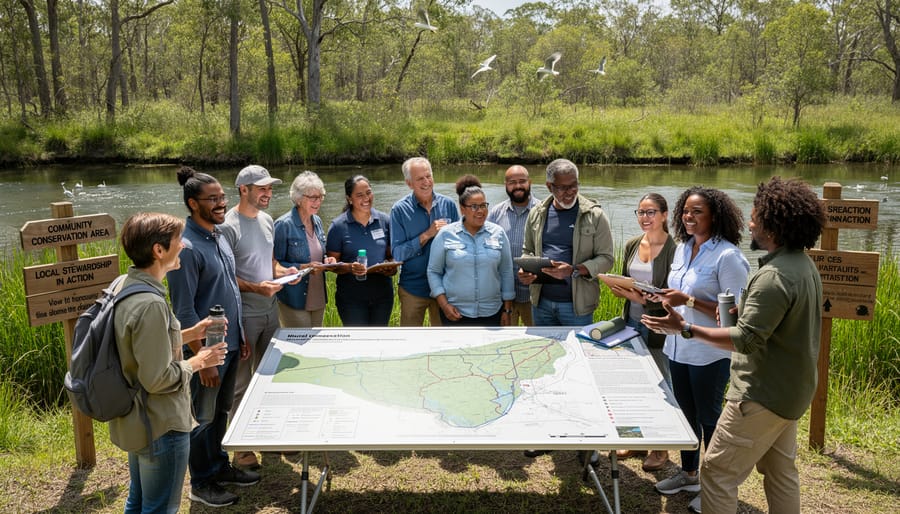
Simultaneously, engage the communities directly affected by the environmental threat. Host listening sessions where residents can share their experiences and concerns. These firsthand accounts become powerful evidence that complements scientific data, a grandmother who can no longer fish from a polluted stream or children developing respiratory issues near an industrial site. Document these stories with consent, capturing the human dimension that legal cases and policy debates often overlook.
Build your coalition strategically by identifying natural allies: neighbouring residents, Indigenous communities with treaty rights to the land, local businesses that depend on healthy ecosystems, and organizations already working on related issues. Create clear communication channels and shared decision-making processes so the coalition reflects genuine community priorities rather than outside agendas. This groundwork transforms individual concern into collective power, making your case far harder for opponents to dismiss or ignore.
Develop Your Legal and Advocacy Strategy
Once you’ve gathered evidence and community support, partnering with an experienced environmental legal organization transforms scattered concerns into a cohesive legal advocacy strategy. These specialists assess which legal pathways offer the strongest chance of success: perhaps a judicial review of a flawed development approval, a Charter challenge to inadequate environmental protections, or strategic litigation that sets precedent for future cases.
Your choice depends on several factors. Litigation delivers enforceable court orders and establishes binding legal principles, but requires patience and resources. Policy advocacy through official submissions, stakeholder consultations, and legislative lobbying can prevent harm before it occurs, reshaping regulations to protect ecosystems permanently. Public campaigns build pressure that makes decision-makers responsive, turning public opinion into political will.
Most successful efforts combine approaches. A legal challenge gains media attention that fuels public pressure. Community organizing provides the grassroots energy that sustains multi-year court battles. Your environmental lawyer helps map this terrain, identifying weak points in the opposition’s position and timing interventions for maximum effect.
Document everything in writing. Formalize timelines, assign responsibilities, and create contingency plans for setbacks. Strong strategies remain flexible, adapting tactics when new evidence emerges or political landscapes shift, while never losing sight of the core environmental objective.
Take Action and Maintain Momentum
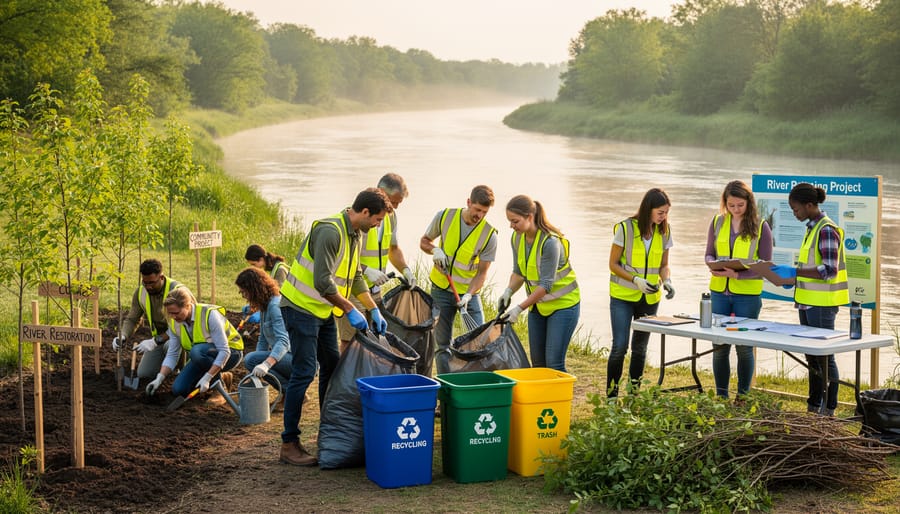
Launch your environmental initiative decisively once your strategy is set, but recognize that implementation rarely follows a straight path. Ground your actions in the evidence and community support you’ve built, whether filing legal documents, organizing public demonstrations, or meeting with decision-makers. Successful campaigns maintain flexibility: if a lawsuit encounters procedural delays, intensify public awareness efforts; when regulatory processes stall, mobilize community pressure through letters, petitions, and media coverage.
Keep your coalition engaged throughout the campaign. Regular updates build trust and sustain participation even during slow periods or setbacks. Share small wins immediately, a favorable court ruling, supportive media coverage, or new organizational partners joining your cause. These incremental victories fuel continued involvement when the path to your ultimate goal stretches longer than anticipated.
When you secure a legal victory or achieve a conservation milestone, leverage it strategically. Document what worked and communicate your success widely through press releases, community meetings, and donor briefings. Use precedent-setting legal wins to strengthen related campaigns. If you’ve successfully protected one wetland through litigation, that case becomes a template for defending similar ecosystems elsewhere. Connect each achievement to broader environmental goals, showing how local action creates systemic change.
Adapt your tactics based on evolving circumstances without abandoning core principles. Environmental protection often requires persistent, multi-year commitment. Celebrate progress, acknowledge setbacks honestly with your community, and continuously refine your approach based on what the evidence shows works.
Verifying Success and Planning Next Steps

Measuring success in environmental work requires both quantitative data and qualitative community feedback. Track ecological indicators specific to your project: tree survival rates in restoration zones, water quality improvements in protected watersheds, or wildlife population rebounds in conserved habitats. Document these metrics systematically, comparing baseline conditions to post-intervention results over multiple years.
Legal victories demand their own measurement framework. Count formal policy changes achieved, hectares of land protected through court rulings, and regulatory enforcement actions triggered by your advocacy. These wins often prevent environmental degradation before when impacts become irreversible making proactive documentation essential. Photograph threatened areas before and after intervention, preserving visual evidence of what was saved.
Community empowerment metrics matter equally. How many residents participated in consultations? Did marginalized voices gain representation in environmental decision-making? Track volunteer engagement hours, donations received, and new partnerships formed with Indigenous communities or local organizations. Strong movements grow when people see tangible results from their involvement.
Share your findings transparently through public reports, community meetings, and accessible online platforms. Honest documentation of both successes and setbacks builds credibility and helps other communities adapt your strategies to their contexts. Celebrate legal wins publicly to demonstrate that environmental protection is achievable, inspiring others to take action.
Use each victory as a foundation for broader campaigns. A single watershed protection ruling can establish legal precedents for adjacent regions. Successful tree planting initiatives can expand to neighboring municipalities. Pattern recognition across projects reveals systemic issues requiring policy-level solutions, transforming isolated wins into sustained environmental progress.
How to Check Your Work

Confirming that your environmental actions have achieved their intended outcomes requires systematic evaluation against measurable benchmarks. A successful result typically shows tangible ecological improvement, restored habitat, documented species recovery, reduced pollution levels, or verifiable compliance with environmental regulations. You should see concrete changes you can photograph, measure, or substantiate through scientific monitoring.
Beyond physical outcomes, check for legal victories such as court rulings in your favour, regulatory changes, or enforcement actions against violators. Review community engagement metrics: sustained participation, increased awareness, or expanded coalition partnerships signal that your work has created lasting infrastructure for future conservation efforts.
Document everything meticulously. Compare baseline environmental assessments to current conditions using the same methodologies. Track legal filings, correspondence, and official responses. Maintain photographic evidence with timestamps and GPS coordinates.
Recognize when professional expertise becomes essential. If regulatory agencies dispute your findings, environmental harm continues despite intervention, legal proceedings stall without clear resolution, or community safety concerns arise, immediately consult environmental lawyers or certified ecological consultants. Complex contamination issues, threatened species management, and constitutional legal challenges require specialized knowledge. Don’t hesitate to seek help, Canadian Parks & Trees Protection exists precisely to provide expert legal support when communities face sophisticated environmental threats requiring professional advocacy.
Common Questions About Environmental Thought and Practice
Community leaders and activists often have similar concerns when translating environmental frameworks into action. Here are answers to the questions we hear most frequently from people working to protect Canada’s natural spaces.
Do I need legal standing to challenge environmental harm in my community?
Legal standing requirements vary by jurisdiction, but Canadian environmental law has evolved to recognize public interest standing in many cases. Organizations like Canadian Parks & Trees Protection can help assess whether you have standing and connect you with legal resources if needed.
Where can grassroots environmental groups find funding for conservation work?
Funding sources include government grants for environmental projects, private foundation support for conservation initiatives, crowdfunding for community-led campaigns, and donor contributions to established legal advocacy organizations. A diversified funding approach typically proves most sustainable.
How long does it typically take to see results from environmental advocacy?
Timelines vary dramatically based on the approach. Direct community actions like tree planting show immediate results, while legal cases may take months to years but create precedent-setting outcomes that protect entire ecosystems for decades.
How do we measure the impact of our environmental work beyond legal victories?
Track ecological indicators like species recovery, habitat restoration metrics, water quality improvements, and carbon sequestration alongside community engagement measures such as volunteer participation, policy changes influenced, and educational reach. Combining quantitative environmental data with qualitative community impact provides the fullest picture.
Another common question concerns collaboration. Working with established environmental legal organizations amplifies your impact significantly. These partnerships provide access to experienced counsel, connect your local effort to broader conservation movements, and help document your work in ways that contribute to environmental jurisprudence. You don’t need to navigate complex environmental law alone.
Many activists also wonder whether academic environmental frameworks really apply to urgent, on-the-ground crises. The answer is yes, but selectively. UVA’s Environmental Thought and Practice approach teaches critical analysis and systems thinking that help you identify root causes rather than just symptoms. When a wetland faces development pressure, this framework helps you understand not just the immediate threat but the policy gaps, economic incentives, and community dynamics that created the vulnerability. That deeper understanding leads to more durable solutions.
Bridging environmental thought with practical action isn’t just an academic exercise, it’s the foundation of every successful conservation campaign we’ve fought and won. When communities ground their passion in evidence, partner with legal expertise, and commit to sustained effort, real change happens. Parks are protected. Species recover. Air and water quality improve. Legal precedents set new standards for environmental protection across Canada.
The framework you’ve explored in this guide has powered decades of environmental victories, from stopping harmful developments to securing long-term habitat protection. But these wins only happen when people like you step forward. Whether you’re documenting environmental harm in your neighborhood, organizing community opposition to destructive projects, or supporting legal challenges through donations, your involvement matters.
Environmental law organizations depend on community partnership and donor support to take on powerful interests. Every contribution, whether financial, volunteer time, or sharing expertise, strengthens our collective capacity to defend natural spaces through the courts and in public forums.
Start where you are. Identify the environmental issue that moves you most. Gather your evidence. Connect with organizations doing this work professionally. Your thoughtful analysis, combined with strategic legal action, creates lasting environmental protection.
The path from concern to conservation victory begins with engagement. Join us in this essential work. Together, we’re building a legal and community framework that ensures future generations inherit healthy ecosystems, protected green spaces, and the natural heritage that defines Canada. Your support makes this possible.