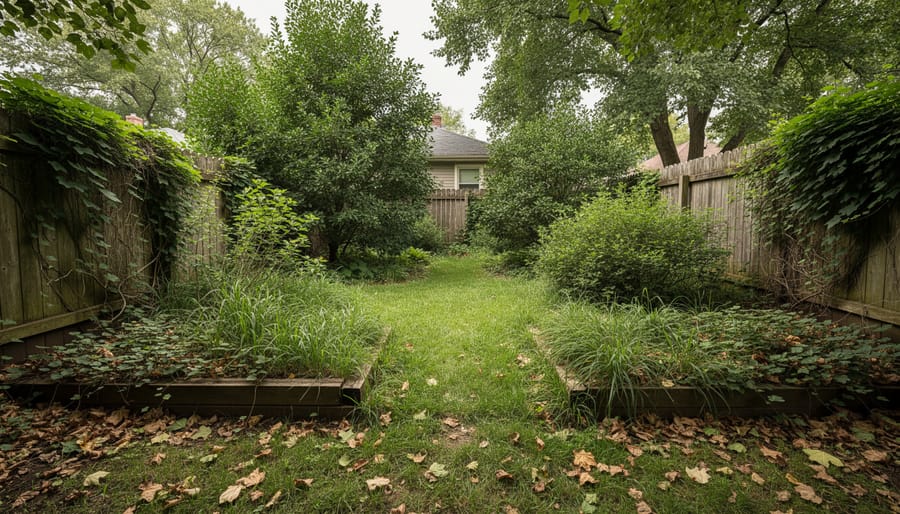
Clearing an overgrown garden on an inherited property takes most people between one and four weekends, and the method is simple: protect what the law protects, remove what’s hazardous, cut back in stages, then document the finished result. Do it in that order and you’ll avoid the costly mistakes that trip up grieving families on a deadline, like cutting into a bylaw-protected tree or disturbing an active bird nest.
You’re probably doing this while sorting an estate, managing relatives, and watching the calendar. That’s a lot. The yard feels like one more weight, but a tidy, well-documented garden is often the quickest way to make a property show well and keep a sale on track.
The stakes go beyond curb appeal. Many Canadian municipalities regulate tree removal, and the Migratory Birds Convention Act protects nesting birds during the breeding season. Invasive species such as Japanese knotweed need careful disposal, not a trip to the compost pile. If you’d rather skip the work entirely, some heirs choose to sell as-is, which is a valid option worth weighing.
Whichever route you take, the steps below will help you do it safely, legally, and with care for the land and the wildlife that has moved in. If you decide to sell inherited property for cash the same documentation helps.
Start with a Walk-Through: What You Own, What You Owe, and What to Protect
Why Photographing and Documenting First Protects the Estate
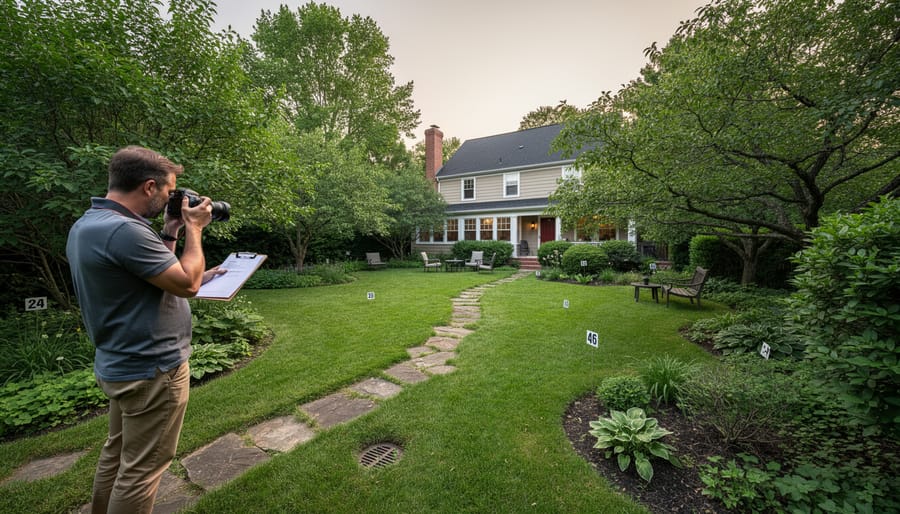
Before you cut anything, take clear photos of the whole property. Walk it slowly and capture each area from a few angles, including the fence lines, the biggest trees, any standing water, and the tangled corners. Add a few notes on the date, the weather, and anything that looks unusual. A simple phone album works fine.
This record does real work for the estate. It shows the condition you inherited, which helps if an insurer asks about the state of the property or a claim comes up later. It also helps if a buyer, a neighbour, or the municipality questions what existed before the cleanup. Photos of mature trees and natural areas show what you chose to protect, and they back up any later conversation about species law protections or how you handled habitat. Knowing how to use environmental law starts with good documentation like this.
Keep the files with your estate paperwork.
Tools and Materials for Taming Years of Growth
You don’t need a shed full of equipment to get a neglected garden under control. You need the right few tools, matched to the job in front of you.
Cutting and pruning. Start with hand pruners for stems up to about a pencil’s thickness, then loppers for branches up to roughly an inch and a half. A pruning saw handles anything thicker. Long-handled shears help with tall grass and tangled perennials.
Heavy growth. A string trimmer (the kind with a spinning plastic line) tackles weeds and grass. For woody brambles and dense brush, a brush cutter is the better choice. It’s essentially a stronger trimmer with a metal blade that slices through thick stems. On larger lots, consider renting a walk-behind brush mower, which clears ground far faster than hand tools.
Raking and hauling. Bring sturdy rakes, a wheelbarrow, tarps for dragging cuttings, and heavy-duty yard-waste bags. Tarps save your back and keep debris off any lawn you’re hoping to preserve.
Protective gear. Wear thick gloves, long sleeves and pants, closed-toe boots, and safety glasses. Add ear protection and a dust mask if you’re running power equipment.
Since this is likely a one-time cleanup, renting or borrowing makes more sense than buying. Many hardware stores rent trimmers, brush cutters, and chippers by the day, and a neighbour or friend may happily lend a pair of loppers.
Safety Warnings and Stop Conditions Before You Cut
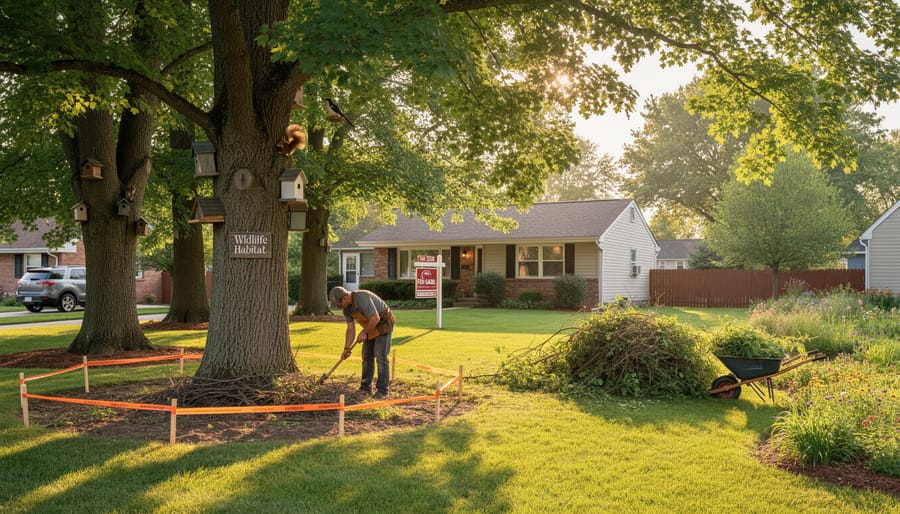
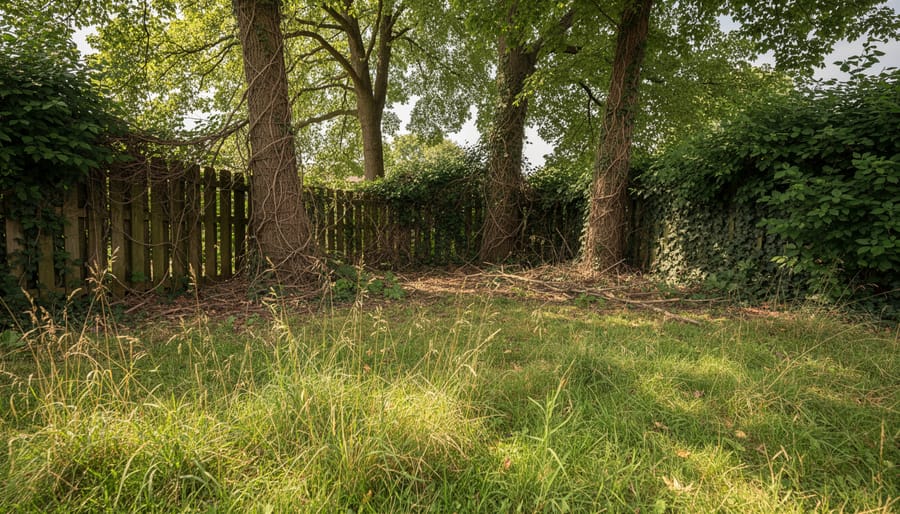
Neglected gardens hide more than weeds. Walk the property slowly before you cut anything, looking down as well as ahead, and plan to stop if something looks wrong.
Start with plants that irritate the skin. Poison ivy is common in untended corners, and its oils cling to tools, gloves and clothing long after you’ve finished. Wear long sleeves, wash everything afterward, and never burn the cuttings. Giant hogweed is a different matter. This tall invasive plant produces sap that makes skin hypersensitive to sunlight, causing severe burns and blisters. It is best left to professionals, so photograph it from a distance and call your municipality.
Next, think about creatures. Ticks wait in tall grass, so tuck your pants into your socks and check yourself afterward. Wasp and hornet nests tuck into shrubs, sheds and fence lines, and a trimmer can disturb one in seconds. Keep your distance and call a pest professional if you spot one.
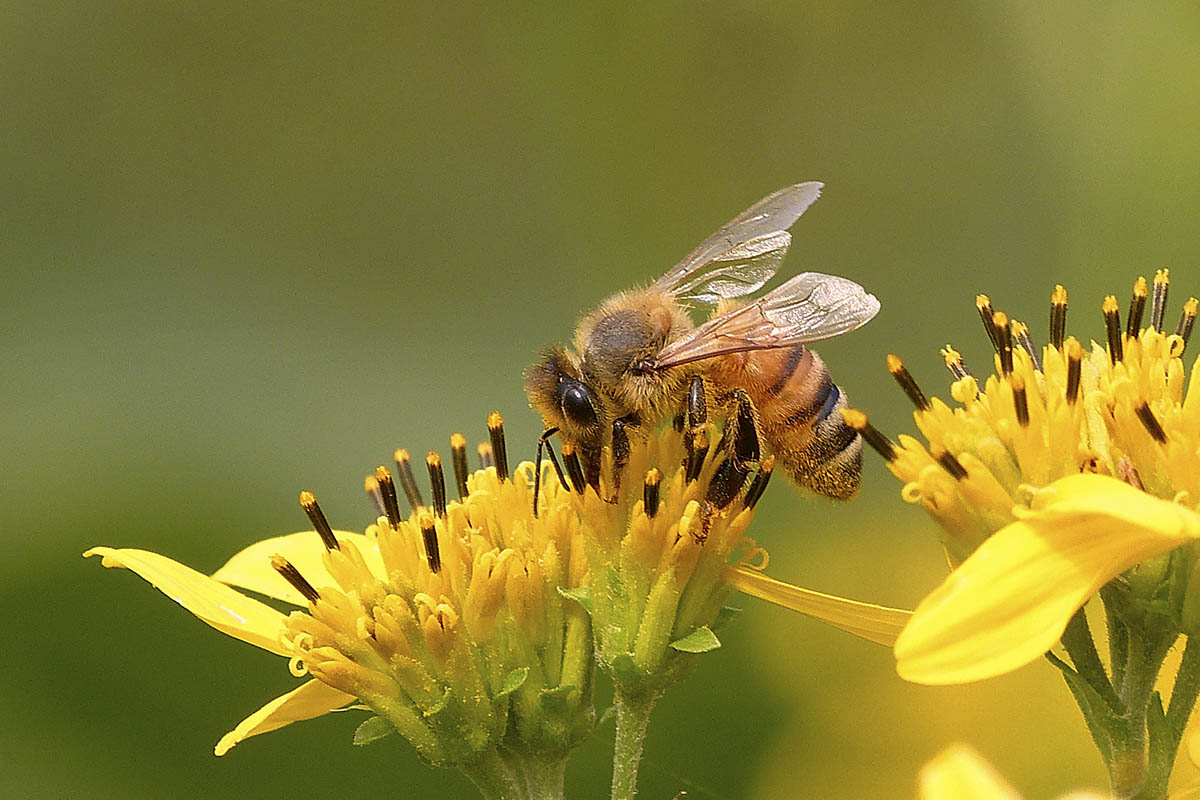
Birds need your attention too. Active nests are protected under Canada’s Migratory Birds Convention Act, and disturbing them can carry real penalties. If you see adult birds carrying material or hear chicks, leave that area alone until the young have fledged. Check dense brush for signs of denning too, such as flattened grass, burrow openings or droppings, and give wildlife time to move on. Gentler choices like this also help you protect pollinators that shelter in unmowed patches.
Then watch the ground and the structures. Overgrowth can conceal old fence wire, broken glass, buried debris, uncovered wells and holes. Probe tall growth with a long stick before stepping in.
Know when to pause. Call an arborist for any tree that is dead, leaning, cracked or close to the house. Call a licensed contractor for anything involving old wells, failing structures or utility lines. Call your municipal office if you suspect a regulated tree or protected area. Pausing costs you a few days. Pushing on can cost far more.
Step-by-Step: Clearing an Inherited Garden in a Sensible Order

Handling Invasive Plants and Yard Waste Responsibly
Some invasive plants are better bagged than composted. Species that regrow from small root fragments or stem pieces, such as Japanese knotweed, or whose seeds survive in a backyard pile, can sprout again wherever the compost is spread. Bagging keeps them contained until they can be disposed of properly.
Before you haul anything away, check your municipality’s yard-waste and disposal rules. Many cities publish guidance for invasive species on their waste-services pages, and some require special bags or direct drop-off at a designated facility. A quick call to your local office can save you a rejected collection or a fine.
Never dump cuttings in a ravine, a creek bank, or any natural area, even if it feels harmless. Discarded pieces can take root and push out native plants, and they put stress on habitat that wildlife and neighbours depend on.
Once the ground is clear, think about what comes next. Replacing invasives with native plantings helps keep them from returning, and learning the best time to plant gives new growth the strongest start. Every household that disposes of invasive plants carefully helps the whole community slow their spread.
Check Your Work and Plan Your Next Moves Before Listing
Once the heavy clearing is done, walk the property again with your earlier photos in hand. Compare each area side by side. Are the paths open, the beds tidy, the cuttings gone? Look for anything you missed, such as a pile of brush behind the shed or a patch of bare soil.
Bare soil deserves a closer look. If rain would wash it toward a neighbour’s lot, a storm drain, or a ravine, cover it with mulch or a quick groundcover. Check that water drains away from the foundation, too. Standing puddles after a downpour are exactly what a buyer’s inspector will notice.
Next, confirm that no bylaw concerns remain. A quick call to your municipality can settle whether the lot now meets property standards and whether any tree you pruned or removed needed a permit.
If a mature tree still looks leaning, cracked, or hollow, book a short visit from a certified arborist. A real estate agent can also tell you what buyers in your area expect and what you should disclose, such as known drainage problems or tree concerns. Bring in professionals for anything beyond your comfort or safety, like large limbs near the house or a stubborn invasive patch.
Keep every receipt, rental agreement, and dated photo in one folder for the estate’s records. A cared-for yard supports your sale price and the neighbourhood’s well-being. If you want to keep going after the sale, these easy eco-friendly steps offer simple ways to protect green space.
Common Questions About Clearing a Deceased Relative’s Garden
Grief and deadlines rarely arrive separately, so it helps to have straight answers to the questions families ask most often.
Can I cut trees on an estate property before probate is settled?
Not without checking first. The executor’s authority and your municipality’s tree bylaw both apply, and many cities require a permit to remove larger or protected trees, so confirm with the estate’s lawyer and your local office before any cutting.
How much clearing is enough to sell?
Aim for safe, visible and tidy: clear paths and entrances, cut back dense growth, and leave healthy mature trees in place. A buyer should be able to walk the lot and picture living there, and a real estate agent can tell you if more is needed.
Should I hire a landscaper or do it myself?
Handle light cutting, raking and mulching yourself if you’re comfortable and able. Hire professionals for large trees, hazardous plants, steep or waterside ground, or when the job is bigger than your time and energy allow.
What if I’ve received a bylaw notice or a neighbour’s complaint?
Respond promptly and calmly. Contact the municipal office, explain the property is part of an estate, and ask for a reasonable timeline while you work through the cleanup.
Can I keep sentimental plants from the garden?
Yes, and it’s a lovely way to honour your loved one. Take cuttings, divide perennials or collect seeds before major clearing begins, and pot them up in a safe spot.
Remember that you don’t have to do everything at once, and you don’t have to do it alone. A few careful, well-timed decisions will protect both the estate and the green space your relative cared for.
Tending an inherited garden is more than a chore on the way to a sale. Each cut you make carefully, each mature tree you choose to protect, and each nest you leave undisturbed is a quiet way of honouring the person who once cared for this space. A garden cleared with thought also leaves the neighbourhood a little greener than it might have been.
That care matters well beyond one property. Mature trees, ravines, and natural areas stay healthy in Canadian communities because of legal protections, and those protections only hold when people speak up for them. Canadian Parks & Trees Protection has helped win legal victories that keep green spaces standing, from defending significant trees to safeguarding natural areas for the families who live beside them.
If this article helped you take the first step, we’d be glad to have you with us. Learn more about our work, share this guide with someone facing a neglected yard of their own, or contribute to help us keep defending Canada’s parks and trees.
And to our donors: thank you. Your generosity makes this legal advocacy possible, and every protected tree and preserved green space carries your fingerprints. Together, we’re building communities where nature is cared for, one decision at a time.