
Environmental law becomes practical the moment a community uses it to stop a harmful project, secure habitat protection, or hold polluters accountable. Far from being confined to courtrooms and legislative chambers, environmental law offers citizens, activists, and local leaders a toolkit of legal mechanisms that can be deployed right now to defend ecosystems, challenge permits, and force compliance with existing protections. Success doesn’t require a law degree. It requires understanding which legal tools exist, when to use them, and how to mobilize them effectively.
The power of environmental law lies in its accessibility. Public participation rights embedded in Canadian environmental statutes give ordinary citizens standing to comment on development proposals, request environmental assessments, and appeal decisions that threaten sensitive areas. These rights exist because lawmakers recognized that government agencies and industry cannot be the sole guardians of environmental health. Communities closest to the land often spot threats first and have the greatest stake in outcomes.
Yet many groups hesitate, assuming legal action demands prohibitive expertise or resources. The reality is more encouraging. Strategic use of environmental law begins with mastering a handful of core tools: understanding your jurisdiction’s environmental assessment triggers, knowing how to file effective public comments, recognizing when scientific evidence can challenge weak reviews, and identifying the agencies responsible for enforcement. With these foundations, communities can shift from reactive protest to proactive legal engagement.
This guide walks you through the essential steps to apply environmental law in your community, from gathering evidence and identifying legal pathways to working with counsel and verifying compliance. Legal victories start with informed action.
Understanding Practical Environmental Law: What It Means for Everyday Advocates
Practical environmental law transforms abstract statutes and regulations into concrete tools that communities can use to protect local ecosystems. It’s the difference between reading about the Canadian Environmental Protection Act in a textbook and using that same act to challenge a polluter discharging toxins into your watershed. While academic environmental law focuses on theory, jurisprudence, and policy analysis, practical environmental law asks a simple question: how can this legal principle stop the harm happening right now?
This approach connects directly to the conservation work already underway in Canadian communities. When residents organize to prevent clearcutting in a municipal forest, they’re often one legal mechanism away from success. That mechanism might be a provincial environmental assessment requirement, a federal fisheries protection clause, or a municipal tree preservation bylaw. Practical environmental law identifies which tool applies and shows you how to use it.
The most empowering aspect of this field is its accessibility. You don’t need a law degree to file a comment during a permit review period, request documents through freedom of information legislation, or join an existing legal challenge as an interested party. Citizens have successfully protected wetlands, stopped inappropriate development, and enforced air quality standards by learning to navigate legal processes that were designed, in principle, to allow public participation.
What makes environmental law particularly practical is its emphasis on process and transparency. Many environmental statutes include public comment periods, mandatory environmental assessments, and rights to appeal. These aren’t bureaucratic obstacles, they’re entry points where informed citizens can intervene, present evidence, and demand accountability. The legal victories achieved across Canada over three decades demonstrate that communities armed with knowledge of these processes can stand toe-to-toe with well-funded developers and polluters, and win.
Legal Tools and Resources You Need to Get Started

Finding the Right Legal Framework for Your Issue
Matching your environmental concern to the right legal framework determines whether your action succeeds or stalls in bureaucratic limbo. Start by identifying the scale and nature of the threat. Wetland protection typically falls under provincial jurisdiction through environmental assessment acts and wetland conservation policies, though federal protections apply if the wetland supports migratory birds or endangered species. Air quality issues generally trigger provincial environmental quality acts for stationary sources like factories, while federal jurisdiction covers interprovincial pollution and greenhouse gas emissions. Species habitat protection involves both federal statutes when species are listed nationally and provincial wildlife acts for regional populations.
Tree preservation depends heavily on municipal tree bylaws for urban canopy, provincial forestry regulations for larger tracts, and federal involvement only when trees provide critical habitat for protected species. Jurisdictional questions arise when multiple levels of government share authority, wetlands near navigable waters, for example, may involve municipal zoning, provincial permits, and federal oversight simultaneously. Review which agency issued the permit or approval you’re challenging, as this often reveals the correct legal avenue for environmental enforcement.
Provincial environmental registries list active proposals and consultation periods, helping you identify which statute applies. When jurisdiction remains unclear, consult experienced environmental legal organizations before filing, choosing the wrong forum wastes critical time and weakens your case before it begins.
Legal Safeguards and Warning Signs: When to Proceed with Caution
Environmental legal action carries real stakes. Before launching a challenge to a development permit or regulatory decision, understand that these processes demand time, technical precision, and often significant financial resources. Legal costs can escalate quickly, and losing a case may result in paying the opposing party’s expenses, a sobering reality for volunteer-led groups.
Recognize when professional representation is essential. If your case involves complex statutory interpretation, requires expert witnesses, or navigates federal-provincial jurisdictional disputes, amateur advocacy won’t suffice. Environmental law intersects with administrative procedure, constitutional principles, and scientific evidence standards. Procedural missteps, filing in the wrong court, missing notification requirements, or submitting inadmissible evidence, can doom an otherwise meritorious case before it’s heard.
Document everything meticulously from day one. Photographs, water quality tests, ecological surveys, and correspondence with agencies form the evidentiary foundation of your action. Poorly documented claims, hearsay, or incomplete records weaken your standing and credibility. Understand that courts and tribunals require verifiable facts, not passionate testimony alone.
Assess your capacity honestly. Does your coalition have the stamina for a multi-year legal process? Can you maintain community engagement through procedural delays and setbacks? Legal advocacy demands sustained effort, transparent communication, and the ability to pivot when strategies require adjustment.
This is where established environmental legal organizations prove invaluable. Groups with decades of experience in community protections understand how to navigate these complexities, identify winnable issues, and avoid costly mistakes. They offer case assessments, strategic guidance, and connections to pro bono counsel. Partnering with these organizations doesn’t diminish your community’s role, it amplifies your effectiveness. Legal victories are built on coalitions that combine grassroots determination with professional expertise, ensuring that your environmental concern receives the rigorous advocacy it deserves.

Step-by-Step: Launching a Community Environmental Legal Action
Step 1: Identify and Document the Environmental Threat
Start by pinpointing exactly what is at risk. Don’t just say “the environment is being harmed.” Specify the type of ecosystem under threat, is it a wetland that filters stormwater, a creek corridor that salmon depend on, a mature forest providing critical bird habitat, or a groundwater recharge area? Legal standing often hinges on showing a concrete, identifiable harm to a specific natural feature you or your community rely on.
Once you’ve defined the threat, gather baseline evidence methodically. Take time-stamped photographs from consistent vantage points to document conditions before and during any damaging activity. If water quality is at issue, collect samples following established protocols and have them analyzed by a certified lab. Commission an ecological survey if feasible, professional biologists can document species presence, habitat quality, and ecological functions that courts recognize. Store all evidence securely with clear dates and locations.
Finally, establish who has legal standing. Identify individuals directly affected: property owners whose wells could be contaminated, anglers losing fishing grounds, Indigenous nations with treaty rights to the area, or residents whose health is jeopardized by pollution. Courts require demonstrable connection between the harm and the claimant. Documenting this relationship early strengthens your position and clarifies whether your community can credibly challenge the threat through legal channels.
Step 2: Research Applicable Laws and Precedents
Once you have documented your environmental concern, the next step is understanding which laws protect what you care about. Start by consulting public environmental registries, most provinces maintain searchable databases of legislation, regulations, and environmental assessment decisions. Look for statutes that directly address your issue: wetland protection regulations, species at risk designations, municipal tree bylaws, or federal fisheries protections.
Past court decisions offer invaluable guidance. Search legal databases like CanLII for cases involving similar ecosystems or threats. Note which legal arguments succeeded, what evidence courts found compelling, and how judges interpreted vague regulatory language. Environmental law organizations have often compiled summaries of landmark cases, making this research more accessible than wading through raw legal text.
Understanding the regulatory agency role in your jurisdiction is equally important. Agencies enforce environmental laws, issue permits, and conduct assessments, knowing their track record on similar cases helps you anticipate how they might respond to your advocacy.
Reach out to established environmental legal groups early. They can point you toward relevant precedents, identify legal gaps, and share practical lessons from comparable actions. This step transforms overwhelming legal complexity into a focused research path.
Step 3: Build Community Support and Coalition
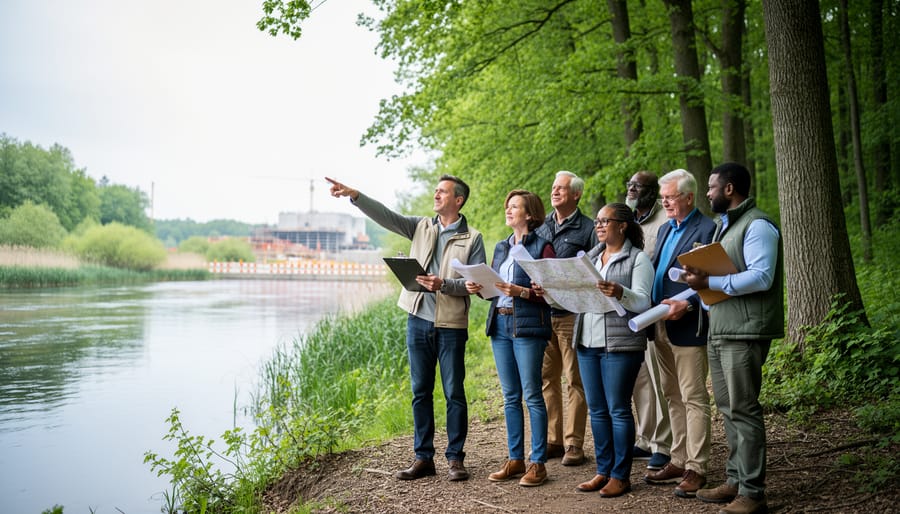
Legal victories rarely emerge from isolated efforts. Courts and regulatory bodies weigh community impact heavily when evaluating standing and public interest, a coalition of twenty residents carries more persuasive force than one voice. Start by mapping everyone directly affected: neighbors facing air quality threats, property owners near threatened wetlands, recreational users of at-risk trails. Host an informal meeting to share concerns and evidence.
Reach out to established local environmental groups who bring credibility, resources, and media connections. If the threatened ecosystem holds cultural or treaty significance, respectfully approach Indigenous communities early in your process. Their knowledge, legal rights, and participation can fundamentally strengthen both your moral authority and legal position. Listen more than you advocate in these conversations.
Document your coalition’s breadth through sign-on letters, petition signatures, and attendance records. This visible support becomes essential when filing court applications or submissions to regulatory panels. Assign clear roles: some members research and document, others handle communications, a few liaison with legal counsel. Broad participation sustains momentum through the months or years litigation often requires, and it signals to decision-makers that the environmental harm you’re challenging matters deeply to the community you represent.
Step 4: Exhaust Administrative Remedies
Before heading to court, Canadian environmental law typically requires you to pursue all administrative remedies available within the regulatory system. This means participating actively in public consultation periods by submitting detailed written comments that clearly state your objections and the legal grounds for them. Request formal reviews by the relevant regulatory body, whether that’s a provincial ministry, a conservation authority, or a tribunal overseeing air and pollution standards. If a permit or approval has been granted, file an official appeal through the administrative process before the deadline, which can be as short as fifteen days in some jurisdictions. Document every submission you make and every response you receive, including non-responses, as this paper trail establishes that you’ve exhausted your options and demonstrates good faith to the courts.
Step 5: Engage Legal Representation
Once you’ve exhausted administrative avenues and confirmed the legal merit of your case, it’s time to seek professional legal guidance. Not every community action requires a lawyer from day one, but formal legal proceedings, judicial reviews, private prosecutions, or regulatory appeals, demand someone who understands procedural rules and environmental statutes.
Start by contacting established environmental law organizations in Canada. Many operate on a donor-supported model, offering legal assistance at reduced cost or no charge to communities with compelling cases. Some lawyers take environmental matters pro bono when the public interest is clear and the facts are strong. Contingency arrangements are rare in environmental law, as most cases don’t result in financial awards, but certain pollution claims may qualify.
When you approach legal counsel, come prepared. Bring your documented evidence, the coalition you’ve built, proof of administrative efforts, and a clear statement of what outcome you’re seeking. A good environmental lawyer will assess whether your case has standing, whether the law supports your position, and what risks and timelines you face. They’ll develop a legal strategy, identify expert witnesses you might need, and guide you through filing deadlines and court procedures.
Expect candid advice. If your case is weak or the costs too high, they’ll tell you, and may suggest alternative advocacy routes. Trust that honesty; it protects your community’s resources and credibility for battles you can win.
Step 6: Initiate Formal Legal Proceedings
Once you’ve exhausted administrative remedies and secured legal representation, you’re ready to initiate formal proceedings. Your lawyer will typically file an application for judicial review in the relevant court, challenging a government decision or permit on grounds such as procedural unfairness, failure to consider environmental impacts, or violation of statutory requirements. In some provinces, citizens can also launch private prosecutions under environmental statutes when regulatory agencies fail to enforce pollution or habitat protection laws, though this requires demonstrating the offence and your standing.
Timelines vary by jurisdiction, applications for judicial review often have strict deadlines (sometimes as short as 30 days from the decision being challenged), so swift action is critical. The court process involves submitting affidavits from affected community members and expert witnesses (ecologists, hydrologists, toxicologists) who provide scientific evidence of environmental harm. Your legal team will prepare written arguments, and you may participate in hearings where judges question both sides. Expect this phase to take months or even years depending on case complexity and court schedules, but your lawyer will guide you through each procedural step while you continue community engagement and evidence gathering.
Step 7: Sustain Momentum Through the Legal Process
Legal proceedings often span months or years, testing community resolve. Regular touchpoints, monthly updates, email newsletters, public meetings, keep participants informed and invested. Transparency about setbacks builds trust; sharing incremental wins, even procedural ones, sustains morale.
Document ongoing environmental harm continuously. Fresh evidence strengthens settlement negotiations and demonstrates urgency. Photos, water quality tests, and expert observations create a timeline courts value.
Media relations require discipline. Designate a single spokesperson, prepare clear talking points, and avoid speculating about outcomes. Strategic media coverage can pressure defendants and attract broader support, but inconsistent messaging undermines credibility.
Settlement discussions may emerge unexpectedly. Know your community’s non-negotiables beforehand: full restoration, enforceable monitoring, permanent protections. Don’t rush to settle out of litigation fatigue.
Donor support sustains both legal fees and grassroots capacity. Acknowledge contributions publicly, connect funders to tangible progress, and explain how their investment protects ecosystems. Financial transparency reinforces accountability.
Prepare witnesses and coalition members for potential trial testimony. Mock questioning sessions reduce anxiety and sharpen responses. Even cases that settle benefit from trial-ready preparation, it demonstrates seriousness during negotiations.
Verification and Measuring Your Legal Impact
Legal victories mean nothing if the environmental harm continues unchecked. Your work doesn’t end when the judge rules in your favour, it begins a new phase of verification and accountability that determines whether the law actually delivers ecological protection on the ground.
Start by monitoring compliance with any court orders or settlement agreements. If a developer agreed to halt construction in a sensitive riparian zone, visit the site monthly to confirm machinery hasn’t returned. If a factory committed to reducing emissions, request updated monitoring data through Freedom of Information legislation and compare it against the settlement terms. Document everything with dated photographs, water quality tests, or air monitoring results. When violations occur, notify your legal counsel immediately, courts take breach of orders seriously, and enforcement mechanisms exist precisely for this reason.
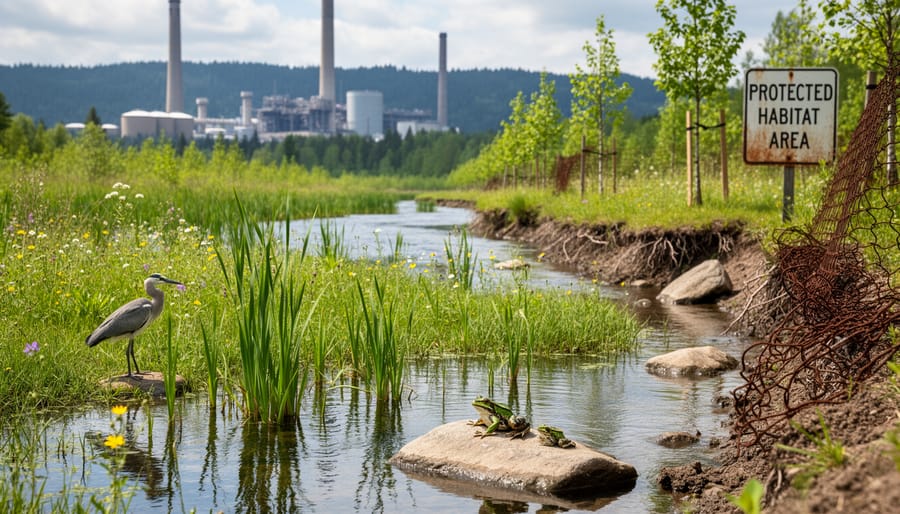
Track the ecological indicators that matter most to your community. Has the bird species you fought to protect returned to nest? Are water clarity levels improving in the lake you defended? Baseline data you gathered during step one now becomes your benchmark. Work with local naturalists, Indigenous knowledge keepers, or university researchers to assess recovery. This evidence isn’t just scientific, it’s the story you’ll tell donors, media, and future communities facing similar threats.
Beyond your immediate case, measure your broader impact:
- Injunctions granted that stop harmful activities
- Permits revoked or significantly modified
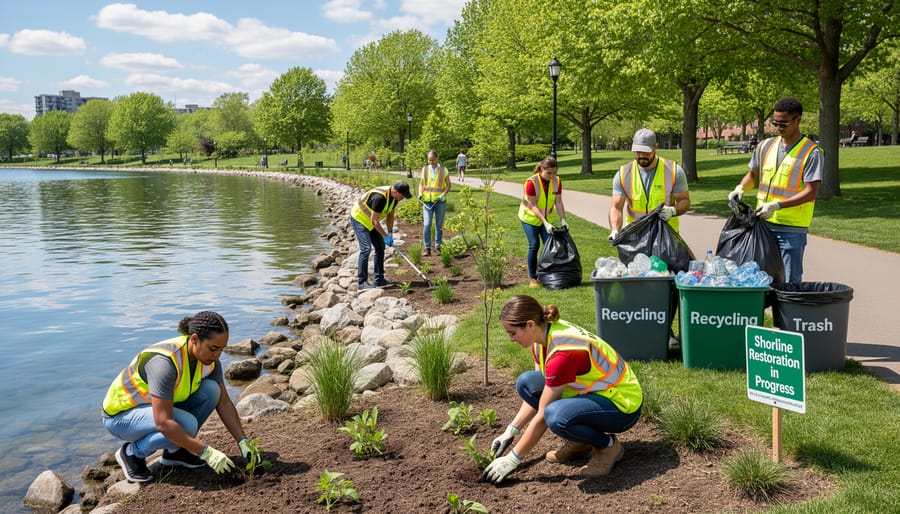
- Habitat protected, measured in hectares or kilometres of shoreline
- Policy reforms enacted at municipal or provincial levels
- Community capacity built through training and coalition-building
Policy changes often represent your most enduring victory. Did your litigation prompt a municipality to strengthen tree protection bylaws? Did a provincial ministry revise permitting procedures after your judicial review exposed gaps? Document these shifts, they’re precedents that amplify your effort across dozens of future cases.
Share your outcomes transparently with the environmental legal community. Publish case summaries, host webinars explaining what worked, and connect with organizations facing parallel challenges. Every documented success becomes a roadmap for others, building collective capacity to protect Canada’s ecosystems through informed, strategic legal action.
Common Questions About Environmental Legal Advocacy
Communities considering environmental legal action share understandable concerns about process, cost, and outcomes. Drawing from three decades of supporting grassroots environmental advocacy across Canada, we’ve heard these questions repeatedly, and the answers often surprise those hesitant to take that first step.
How long do environmental legal cases typically take?
Most judicial review applications reach a hearing within 12 to 18 months, though complex cases involving multiple parties or technical evidence can extend longer. Administrative appeals through regulatory tribunals often resolve more quickly, sometimes within six months.
Can our community afford legal action?
Many environmental law organizations operate on pro bono or donor-supported models, making legal representation accessible to communities regardless of financial resources. Public interest standing allows citizen groups to challenge decisions affecting everyone, and some jurisdictions offer cost protection orders that limit financial risk.
What happens if we lose our case?
Courts rarely order costs against public interest litigants acting in good faith, especially when the case raises legitimate environmental concerns. Losing doesn’t erase the public attention your action generated or the pressure placed on decision-makers to improve future practices.
Do individual community members need to be publicly identified?
Legal proceedings typically name the applicant organization rather than individual members. Many successful cases have been brought by incorporated community groups, protecting personal privacy while establishing legal standing.
How do we ensure compliance after winning?
Court orders and settlement agreements create enforceable obligations with contempt provisions for non-compliance. Your legal team can build in monitoring requirements, reporting schedules, and mechanisms for returning to court if the other party fails to meet their commitments.
The timeline question deserves particular honesty: environmental legal processes require patience and sustained community engagement. You’ll face procedural steps, evidence gathering periods, and opportunities for the other side to respond. This measured pace actually benefits communities by allowing time to build public support and document ongoing concerns.
Financial barriers matter less than most people assume. The environmental legal community has developed creative funding models precisely because meaningful conservation shouldn’t depend on wealth. Donor support underwrites much of this work, and successful cases often establish precedents that benefit countless communities beyond your own.
Regarding the fear of losing, framing legal action as binary win-or-lose misses the strategic value. Filing a well-grounded legal challenge signals to government and industry that your community will use every available tool to protect local ecosystems. That alone changes calculations and often prompts better decision-making in future projects, regardless of the specific case outcome.
Environmental law is not reserved for courtrooms or seasoned attorneys. It belongs to every community member who cares enough to act. Across Canada, ordinary citizens have successfully challenged harmful permits, protected critical habitats, and held polluters accountable, not because they held law degrees, but because they understood that legal frameworks exist to serve the people who live closest to the land.
These victories are never solitary achievements. They emerge from coalitions of neighbours, Indigenous communities, local organizations, and environmental groups working together with shared determination. They’re made possible by donors whose generosity funds expert witnesses, court filings, and the sustained effort required to see cases through to completion. Every contribution, whether time, expertise, or financial support, strengthens the legal foundation that protects our shared natural spaces.
If you’re concerned about a threatened forest, polluted waterway, or disappearing wildlife corridor in your area, you have more power than you might realize. Legal tools are accessible, precedents are growing, and experienced organizations stand ready to help you protect your neighbourhood. Reach out. Join existing coalitions. Document what you’re witnessing. Take that first step.
Each legal action you pursue today creates precedent for tomorrow’s battles. The work may be demanding, but it’s how communities across Canada are securing lasting protection for the ecosystems we all depend on. Your involvement matters, and the natural spaces you cherish are worth defending.