


Property Saviour helps Canadian sellers understand their provincial obligations before listing—while federal regulations exist, each Canadian province maintains distinct environmental disclosure requirements that directly impact your timeline. Ontario sellers must complete a Schedule for Disclosure Statement regarding underground fuel tanks, previous grow operations, and known contamination, while British Columbia requires disclosure of any environmental hazards that could affect property value or buyer safety.
Proactively order environmental assessments for properties with potential red flags including former commercial use, proximity to industrial sites, or age-related concerns like asbestos or lead paint. A Phase I Environmental Site Assessment costs between $2,000-$5,000 but prevents deal-breaking surprises and demonstrates transparency that builds buyer confidence. Companies recognize that upfront investment in proper disclosure protects both transaction speed and community health.
Document everything discovered and remediated—comprehensive records of mold removal, asbestos abatement, or soil contamination treatment become powerful selling tools rather than obstacles. Courts consistently rule that non-disclosure constitutes fraudulent misrepresentation, exposing sellers to lawsuits years after closing. This legal reality serves our broader environmental mission: when sellers accurately disclose hazards, buyers can make informed decisions that protect families and ecosystems.
Engage qualified environmental lawyers early if assessments reveal contamination—specialized legal guidance transforms complex remediation requirements into manageable action plans that maintain sale momentum while ensuring compliance. Your transparency today prevents litigation tomorrow and demonstrates commitment to environmental stewardship that extends beyond individual property transactions.

Environmental Disclosure Requirements When Selling Your Canadian Home
What Counts as an Environmental Issue?
Understanding what constitutes an environmental concern empowers you to meet your legal obligations while contributing to healthier communities. Canadian sellers must disclose specific conditions that could affect property value, safety, or environmental quality.
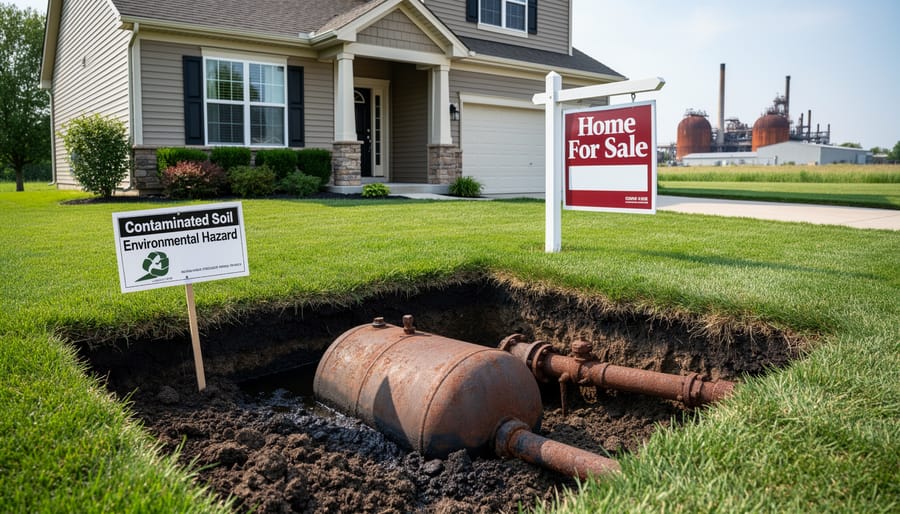
Soil contamination represents a significant disclosure requirement, particularly on properties with histories of fuel storage, chemical use, or industrial activity. If your property once housed a gas station, auto repair shop, or manufacturing facility, previous operations may have left contaminants requiring remediation. Similarly, underground or above-ground oil tanks—even decommissioned ones—demand disclosure, as leaks can contaminate soil and groundwater for decades.
Building materials also warrant attention. Asbestos, commonly used in homes built before 1990, poses serious health risks when disturbed. Sellers who’ve identified asbestos in insulation, tiles, or roofing materials must share this information. Mold growth, especially following water damage or in moisture-prone areas, represents another critical disclosure item affecting both property integrity and occupant health.
Properties using septic systems require disclosure of any malfunctions, inadequate maintenance, or capacity issues. These systems directly impact local water quality and ecosystem health when failing. Flood risks, whether from rivers, lakes, or storm water, must be revealed, as climate change intensifies these threats across Canadian communities.
Each disclosure protects future homeowners while supporting broader environmental conservation efforts. By identifying these issues transparently, you’re not just fulfilling legal requirements—you’re participating in community-wide environmental stewardship that safeguards public health and preserves natural resources for future generations. This honesty strengthens the integrity of Canadian real estate transactions.
Your Legal Obligation as a Seller
As a home seller in Canada, you carry a legal responsibility to disclose known environmental issues that could materially affect your property’s value or a buyer’s decision. This obligation stems from the principle of “material latent defects”—significant problems not readily visible during a typical home inspection. These include contaminated soil, underground oil tanks, asbestos insulation, previous grow operations, or hazardous waste exposure.
Understanding environmental regulations helps protect both buyers and our shared ecosystems. Courts have consistently ruled that sellers must voluntarily reveal environmental concerns they’re aware of, even if buyers don’t ask directly. The consequences of non-disclosure are serious: purchasers can sue for damages, demand costly remediation at your expense, or even cancel the sale entirely.
This legal framework isn’t merely punitive—it’s protective. By ensuring transparency, we create healthier communities and prevent environmental harm from passing silently between owners. When you disclose honestly, you demonstrate environmental stewardship while protecting yourself legally. Many sellers worry disclosure will derail fast sales, but transparency actually builds buyer confidence and prevents devastating legal battles later. Your honesty today safeguards tomorrow’s environmental victories for all Canadians.
How Environmental Issues Impact Quick Home Sales
When Disclosure Delays Your Sale
Environmental disclosure can certainly extend your selling timeline, but understanding these delays helps you navigate them strategically. When buyers discover environmental concerns through your honest disclosure, they typically request professional inspections to assess the scope and severity. This process alone can add two to four weeks to your transaction, as qualified environmental consultants schedule site visits, conduct testing, and prepare detailed reports.
The findings from these inspections often trigger remediation demands. Perhaps soil testing reveals petroleum contamination from an old oil tank, or an environmental assessment identifies asbestos-containing materials. Buyers may request that you complete remediation before closing, or they’ll negotiate price reductions to offset their future costs. Either scenario introduces complexity that slows the sale process considerably.
Financing complications represent another significant hurdle. Many Canadian lenders hesitate to approve mortgages on properties with unresolved environmental issues. Your buyer’s pre-approval may suddenly evaporate when environmental concerns surface, forcing them to seek alternative financing or walk away entirely. This reality has derailed countless transactions that seemed certain to close.
Beyond these practical delays, buyer hesitation creates the most unpredictable timeline impact. Even minor environmental concerns can trigger cold feet, particularly among environmentally-conscious purchasers who view any contamination as unacceptable. Some buyers simply need additional time to process the information and consult with family, lawyers, or environmental advisors before proceeding.
These delays, while frustrating, ultimately protect both parties and our shared environment. Your transparency today prevents legal battles tomorrow while contributing to healthier communities across Canada.
When Transparency Actually Speeds Things Up
It may seem counterintuitive, but being upfront about environmental concerns often accelerates your sale rather than hindering it. When you disclose environmental information early in the process, you immediately filter out casual browsers and attract genuinely interested buyers who appreciate your transparency.
Consider the alternative: hiding potential issues only to have them surface during a buyer’s due diligence creates mistrust, renegotiation demands, and frequently leads to collapsed deals. One Ontario seller who disclosed an old oil tank removal upfront found their honesty built immediate credibility. The buyer, confident in the seller’s integrity, waived several minor inspection items and closed within 30 days.
Transparency also streamlines negotiations. When both parties work from the same information, discussions focus on solutions rather than accusations. Buyers willing to proceed despite known environmental factors are typically more committed and less likely to use last-minute discoveries as leverage for price reductions.
This approach serves the broader environmental good as well. Honest disclosure ensures new owners understand their property’s history and can make informed decisions about remediation or monitoring. You’re not just selling a house faster—you’re contributing to a culture of environmental accountability that protects Canadian communities.
The most successful fast sales aren’t those that hide problems but those that present complete, honest information that allows motivated buyers to move forward confidently. Your transparency becomes your strongest selling point.
Smart Strategies for Sellers: Address Issues Before They Become Barriers

Conduct a Pre-Sale Environmental Assessment
Taking initiative with a pre-sale environmental assessment demonstrates your commitment to transparency and positions you as a responsible steward of both property and community health. Rather than waiting for issues to surface during negotiations, engaging a qualified environmental professional empowers you to identify and address potential concerns proactively.
A comprehensive assessment typically examines historical land use, checks for contamination risks, evaluates heating oil tanks, identifies asbestos or lead-based paint in older homes, and reviews proper waste disposal practices. This evidence-based approach protects everyone involved while accelerating your sale timeline. When buyers see documented assessments, they gain confidence that you’ve prioritized their wellbeing and environmental protection.
Consider the story of homeowners who discovered minor soil contamination through voluntary testing. By remediating the issue before listing, they not only fulfilled their legal obligations but also attracted environmentally-conscious buyers willing to pay premium prices for peace of mind. Their transparency became a selling point rather than an obstacle.
Professional assessments cost between $500-$2,000 depending on property complexity, but this investment prevents costly surprises and demonstrates good faith. You’re not just selling a house; you’re safeguarding your community’s environmental future while building trust that expedites transactions and protects shared natural resources for generations ahead.
Consider Strategic Remediation
Before rushing to sell, consider whether strategic remediation might actually accelerate your sale and maximize your return. While it may seem counterintuitive when trying to sell quickly, addressing certain environmental issues upfront can transform a potential deal-breaker into a compelling selling point.
Start with a clear cost-benefit analysis. Obtain quotes for remediation work and compare them against the likely price reduction buyers will demand. Environmental concerns often trigger disproportionate price negotiations—buyers may discount your asking price by 20-30% for issues costing only 5-10% to fix. This fear premium can make remediation financially advantageous.
Focus on high-impact, lower-cost solutions first. Removing an old underground oil tank might cost $3,000-5,000 but could prevent $20,000 in price reductions. Similarly, professional mold remediation or asbestos abatement with proper certification reassures buyers and demonstrates environmental responsibility.
Your remediation story matters too. When you proactively address environmental concerns, you’re not just protecting property values—you’re preventing contamination from spreading to neighboring properties and waterways. This community-minded approach resonates with environmentally-conscious buyers and positions you as a responsible steward.
Document everything thoroughly. Professional remediation reports, clearance certificates, and before-and-after photos become powerful marketing tools that differentiate your property while demonstrating your commitment to environmental protection and transparency.
Document Everything
Thorough documentation serves as your strongest protection when selling your home. Maintain detailed records of all environmental assessments, remediation efforts, permits, and correspondence with environmental consultants or government agencies. This paper trail demonstrates your commitment to transparency and due diligence, qualities that resonate with environmentally-conscious buyers and protect you legally.
Save invoices from remediation work, laboratory reports showing contaminant levels before and after cleanup, and written communications confirming compliance with regulations. These records tell a compelling story of responsible stewardship, transforming potential concerns into evidence of proactive environmental care. When buyers see documented proof of your diligence, they gain confidence in the property’s integrity.
Organized documentation also expedites the sale process. Rather than scrambling to gather information when buyers raise questions, you can provide immediate, comprehensive responses. This preparedness signals professionalism and builds trust, often shortening negotiation periods. Your records become more than administrative requirements—they become testaments to your values and your commitment to protecting both future homeowners and the broader community we all share.
Price Realistically and Transparently
Transparent pricing builds trust and accelerates your sale. When environmental conditions exist on your property—whether historical contamination, fuel tank removal, or wetland features—pricing that honestly reflects these realities attracts serious buyers prepared to move forward. Overpricing while hoping buyers won’t notice environmental disclosures leads to failed negotiations and extended market time, defeating your goal of selling quickly.
Consider pricing strategically by obtaining professional environmental assessments that quantify remediation costs. This evidence-based approach allows you to adjust your asking price accordingly, demonstrating good faith while protecting your interests. Buyers appreciate sellers who acknowledge environmental factors upfront rather than discovering issues during due diligence, which often triggers renegotiation or withdrawal.
Your honest approach does more than facilitate a faster transaction—it contributes to broader environmental accountability in real estate markets. When sellers price transparently based on environmental conditions, they create precedents that encourage responsible land stewardship across communities. This integrity strengthens legal protections for future buyers while supporting Canada’s environmental conservation goals. The right buyer values transparency and will reward your honesty with a smoother, faster closing process.
The Broader Environmental Impact of Real Estate Transactions
How Disclosure Protects Communities
Environmental disclosure requirements have created measurable victories in protecting communities from contamination across Canada. In Elmira, Ontario, mandatory disclosure prevented the sale of properties near a former industrial site without proper soil testing, ultimately leading to a comprehensive cleanup that protected 250 families from potential chemical exposure. The disclosure process identified elevated benzene levels before new residents moved in, avoiding a public health crisis.
Similarly, in Vancouver’s False Creek neighborhood, environmental assessments required during property transfers revealed underground fuel storage tanks from the 1950s. This discovery prevented contaminated groundwater from spreading to adjacent properties and the waterway. The sellers worked with remediation specialists, turning potential liability into an opportunity for environmental restoration.
These examples demonstrate how transparency in real estate transactions serves as an early warning system. When sellers fulfill disclosure obligations, they enable informed decision-making and trigger necessary interventions. Communities benefit from reduced contamination risks, preserved property values, and improved environmental quality. Buyers gain peace of mind knowing their investment won’t compromise their family’s health.
Your role as a seller extends beyond completing a transaction. By embracing environmental disclosure, you contribute to a safer, healthier community for generations to come.

Your Role in Environmental Stewardship
When you choose to disclose environmental conditions honestly during your home sale, you become part of a powerful movement toward accountability and sustainable development across Canadian communities. Your transparency does more than fulfill legal requirements—it sets a standard that encourages other sellers, developers, and property owners to prioritize environmental responsibility.
Every disclosure you make contributes valuable information to the collective understanding of environmental challenges in your neighborhood. This data helps municipalities plan better remediation strategies, supports researchers tracking environmental trends, and empowers future homeowners to make informed decisions that protect their families and local ecosystems. By practicing environmental stewardship through honest disclosure, you’re creating a ripple effect that extends far beyond your individual transaction.
Consider your disclosure as an investment in community health. When you reveal historical oil tank removals, asbestos abatement, or soil contamination, you’re not just protecting yourself legally—you’re contributing to a culture where environmental concerns are addressed openly rather than hidden. This transparency helps build trust within neighborhoods and strengthens the foundation for sustainable development practices that benefit everyone.
Your commitment to honest environmental disclosure today helps create the thriving, healthy communities that future generations deserve. That’s powerful change, starting with one responsible home sale.
Legal Support When Environmental Disclosure Gets Complicated
When to Seek Legal Guidance
Navigating environmental disclosure can feel overwhelming, but recognizing when to seek professional legal guidance protects both you and future homeowners. If a buyer disputes your disclosure or threatens legal action, immediate consultation with an environmental law specialist becomes essential. Similarly, if you’ve inherited a property with known or suspected contamination—perhaps an old oil tank or industrial history—legal counsel helps you understand your obligations and liability limits.
Never proceed if anyone pressures you to conceal environmental issues. This represents both a legal violation and an ethical breach that undermines community health and environmental protection. Legal professionals have successfully defended countless homeowners who disclosed honestly while navigating complex situations.
Seek guidance when you’re uncertain about disclosure scope, when remediation costs seem prohibitive and you’re considering alternatives, or when timing pressures tempt you to skip thorough assessment. Environmental lawyers don’t just defend against problems—they proactively create solutions that enable fast sales while honoring your legal responsibilities. Your commitment to transparent disclosure strengthens the collective effort toward safer communities and environmental stewardship. Professional support transforms potential obstacles into opportunities for responsible, successful transactions.
How Environmental Legal Advocacy Protects Sellers and Buyers
Organizations like Canadian Parks & Trees Protection play a vital role in ensuring real estate transactions meet fair environmental protection standards while protecting both sellers and buyers. Through environmental legal advocacy, these groups champion transparency in property transactions, helping homeowners understand their disclosure obligations and ensuring buyers receive accurate environmental information.
When disputes arise over undisclosed contamination or environmental hazards, legal advocacy provides crucial support for affected communities. These organizations work to hold parties accountable, strengthen disclosure regulations, and create clearer guidelines for real estate professionals. For sellers wanting to expedite transactions, engaging with these resources early can prevent costly legal challenges later. Their community-focused approach ensures that environmental concerns don’t become barriers to fair housing markets, but rather catalysts for responsible development. By supporting transparent disclosure practices, environmental advocates protect property values, public health, and the integrity of Canadian real estate markets for generations to come.
Selling your home quickly and selling it responsibly are not competing priorities—they complement each other. When you approach environmental disclosure with transparency and integrity, you create a smoother transaction that protects everyone involved. As a seller, full disclosure shields you from future legal liability and demonstrates good faith. For buyers, it prevents unexpected remediation costs and health risks down the road. For our communities and ecosystems, it ensures that environmental hazards are properly identified and addressed rather than passed along silently.
Environmental disclosure is more than a legal checkbox; it’s an act of environmental stewardship that reflects our collective responsibility to protect Canadian communities and the natural spaces we share. Every honest conversation about oil tanks, asbestos, or contaminated soil contributes to healthier neighborhoods and safer environments for future generations.
We invite you to view your home sale as an opportunity to champion environmental protection. Whether you’re selling quickly or taking your time, thorough environmental disclosure demonstrates your commitment to responsible homeownership. Consider supporting organizations working to strengthen environmental protections across Canada, ensuring that disclosure requirements continue to evolve and that communities remain informed, protected, and empowered to hold polluters accountable.