
The Environmental Protection Agency functions as the United States’ primary regulatory body for safeguarding air quality, water resources, land conservation, and public health from environmental hazards. Established in 1970, the EPA enforces environmental laws, sets pollution standards, monitors compliance, conducts scientific research, and holds violators accountable through civil and criminal enforcement. These functions directly impact every community, determining the safety of drinking water, the air we breathe, and the remediation of contaminated sites.
Understanding how the EPA operates matters because its regulatory framework has inspired environmental protection systems worldwide, including Canada’s approach to ecological stewardship. When the EPA strengthens emissions standards or tightens chemical regulations, the ripple effects extend beyond American borders, influencing international environmental policy and creating precedents that advocacy groups and legal professionals use to push for stronger protections in their own jurisdictions.
The Agency’s work translates into measurable outcomes: cleaner rivers, reduced smog levels, safer pesticide use, and accountability for corporations that pollute. Yet the EPA’s effectiveness depends on enforcement capacity, political will, and public engagement. Communities that grasp how the Agency functions can better advocate for enforcement in their regions, file citizen suits when violations occur, and support organizations working to strengthen environmental protections. Whether you’re a legal professional navigating environmental compliance, a community leader fighting local pollution, or a donor seeking impactful causes, knowing the EPA’s core functions equips you to participate more effectively in the broader movement for ecological justice.
The Core Functions of the Environmental Protection Agency
Setting Environmental Standards That Protect Public Health
The EPA develops environmental standards by gathering scientific evidence, consulting independent experts, and evaluating health risks to determine safe exposure limits. These regulations aren’t arbitrary; they’re built on years of research examining how pollutants affect human health, with particular attention to vulnerable populations including children, pregnant women, and those with respiratory conditions.
Air quality standards demonstrate this science-driven approach clearly. The EPA’s science-based NAAQS reviews set maximum allowable concentrations for six common pollutants: ground-level ozone, particulate matter, carbon monoxide, lead, sulfur dioxide, and nitrogen dioxide. When a community exceeds these thresholds, state and local agencies must develop corrective plans. This directly affects your local air quality, factories reduce emissions, traffic patterns may change, and public health improves measurably.
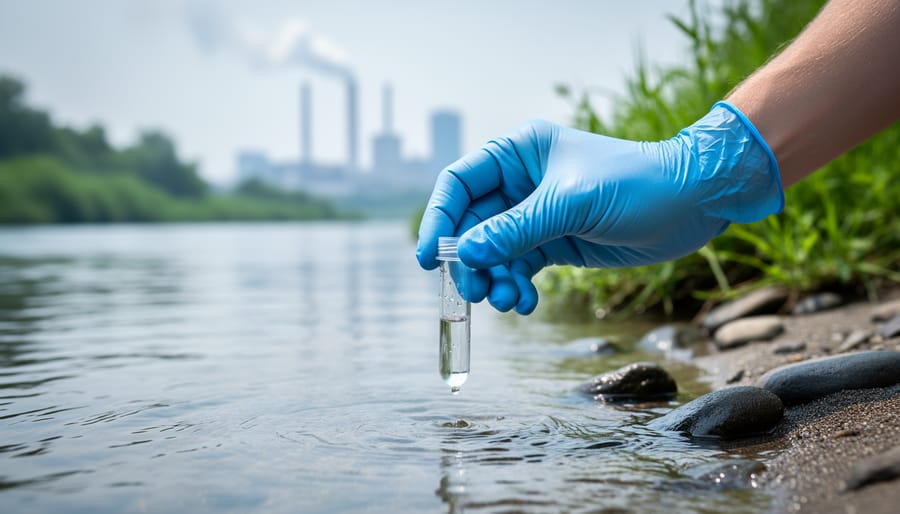
Water safety regulations protect drinking supplies and recreational waters. The Safe Drinking Water Act empowers the EPA to set Maximum Contaminant Levels for substances like lead, arsenic, and microbial pathogens. After the Flint water crisis highlighted lead contamination dangers, these standards drove infrastructure upgrades in thousands of communities. Your tap water meets specific safety benchmarks because of these regulations.
For hazardous waste, the EPA establishes cradle-to-grave tracking requirements through the Resource Conservation and Recovery Act. Facilities generating, transporting, or disposing of dangerous materials must follow strict handling protocols. This prevents another Love Canal disaster, where buried chemical waste poisoned an entire neighborhood. These standards mean toxic substances can’t simply be dumped where you live, work, or raise your family.
Enforcement and Compliance Monitoring
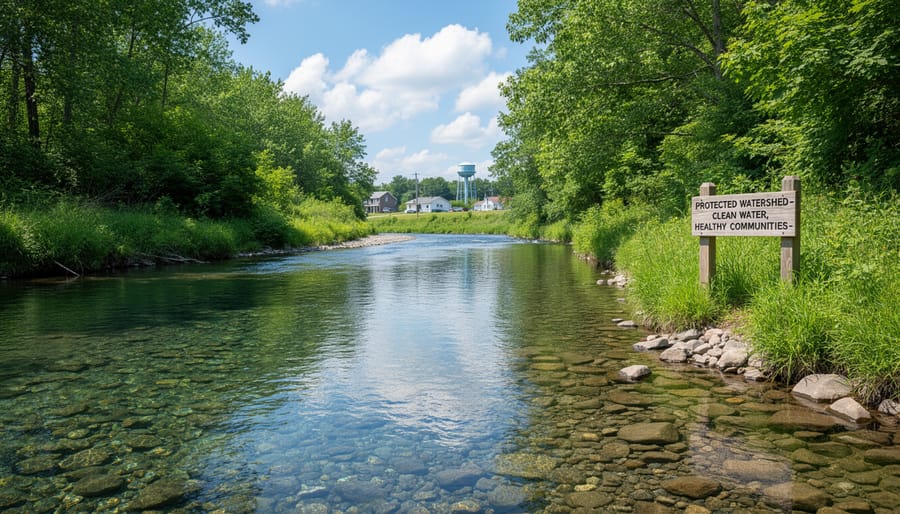
Environmental rules mean nothing without follow-through. The EPA’s monitoring compliance safeguards turn written regulations into real-world accountability by tracking whether industries, municipalities, and facilities actually meet the standards set for air emissions, water discharges, and waste handling.
EPA inspectors conduct thousands of site visits each year at factories, treatment plants, refineries, and agricultural operations. They review permits, test emissions, examine disposal records, and verify that pollution-control equipment works as designed. When violations surface, a refinery releasing excess sulfur dioxide, a wastewater plant discharging untreated sewage, a factory storing hazardous chemicals without proper containment, the EPA can issue compliance orders, levy fines reaching millions of dollars, or refer cases for criminal prosecution in severe instances.
These enforcement actions don’t just punish bad actors; they create a level playing field for responsible businesses and protect communities from foreseeable harm. Penalty payments often fund restoration projects in the affected areas, turning violations into direct environmental improvements.
Citizens play a vital role in this system. When you notice unusual odours, discoloured waterways, or suspicious industrial activity, you can report an environmental violation directly to the EPA through their online portal or regional offices. Each report receives review, and many have triggered investigations that stopped ongoing pollution.
Transparency matters too. EPA enforcement records are public, allowing community advocates and legal organizations to track violators, identify patterns, and build stronger cases for protecting local environments through both regulatory pressure and litigation.
How EPA Functions Support Community Environmental Action
Understanding the function of environmental protection agency work opens powerful doors for community action. When residents and local organizations grasp how the EPA sets standards, monitors compliance, and enforces environmental laws, they gain the tools to transform regulatory frameworks into tangible protection for their neighborhoods. This knowledge bridges the gap between federal oversight and grassroots activism, turning concerned citizens into effective environmental advocates.
The EPA’s research findings and compliance data become evidence that communities can use to challenge polluters and push for stronger protections. When a factory exceeds permitted emission levels or a municipality allows contaminated runoff into local waterways, understanding EPA standards gives advocates the vocabulary and benchmarks to demand accountability. Legal environmental organizations routinely build cases around EPA violations, using federal standards as the foundation for compelling arguments in court and regulatory proceedings.
Community groups that understand EPA functions can participate meaningfully in public comment periods when new regulations are proposed. These comments carry weight in the regulatory process, particularly when they reference local impacts and connect EPA data to real-world conditions. Organizations like Canadian Parks & Trees Protection have successfully used this approach, applying EPA principles to inform environmental protection strategies and demonstrating how regulatory knowledge translates across borders.
The EPA also provides technical assistance grants and environmental justice resources specifically designed to help communities address local concerns. These programs fund air and water quality monitoring, health assessments, and cleanup planning, but many communities remain unaware they exist. Knowing which EPA office handles specific functions means advocates can direct their inquiries effectively and access specialized expertise when building protection campaigns.
Perhaps most importantly, understanding the function of environmental protection agency operations helps communities spot gaps in enforcement. When you know what the EPA should be monitoring and how violations should be addressed, you can identify when oversight falls short and push for stronger action. This informed vigilance transforms passive concern into strategic advocacy that produces measurable environmental improvements.

The EPA’s Role in Climate Change and Ecosystem Protection
The EPA’s climate and ecosystem protection work demonstrates how its regulatory functions extend beyond immediate pollution control to address long-term environmental challenges that affect entire regions and future generations. Through greenhouse gas regulation, the agency sets enforceable limits on carbon dioxide and methane emissions from power plants, industrial facilities, and vehicles. These standards directly reduce the climate-warming pollution that drives extreme weather events, sea level rise, and ecosystem disruption across North America.
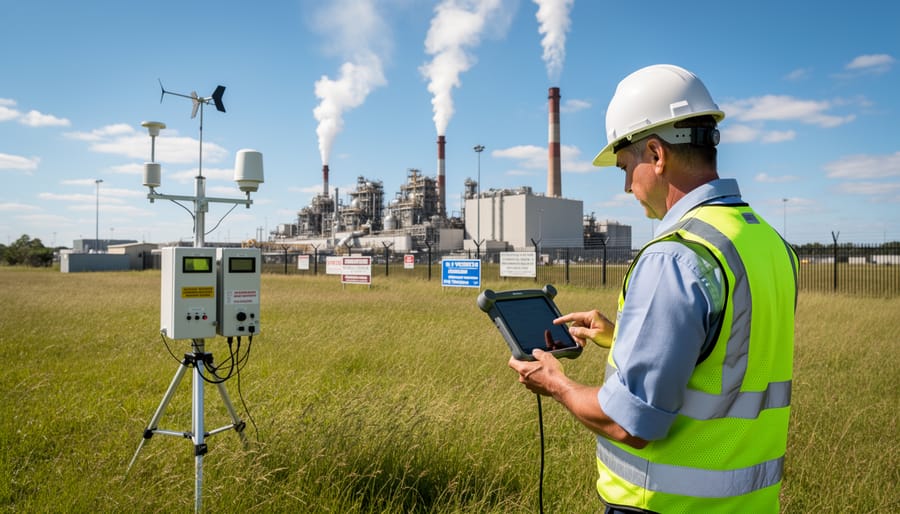
The agency’s ecosystem restoration programs focus on critical habitats including wetlands, watersheds, and coastal areas that provide natural flood protection, water filtration, and wildlife habitat. By working with state and local governments, the EPA coordinates restoration efforts that rebuild natural systems damaged by industrial activity or poor land management. These programs create measurable benefits: restored wetlands absorb stormwater runoff that would otherwise flood communities, while rehabilitated river systems support fish populations that sustain both ecosystems and local economies.
For biodiversity protection, the EPA evaluates how chemicals and development projects affect threatened species and their habitats. The agency’s pesticide registration process, for instance, requires testing to ensure agricultural chemicals won’t devastate pollinator populations or contaminate wildlife refuges. This protective function connects to practical enforcement actions when violations occur.
Communities can amplify these EPA initiatives through several concrete actions. Local environmental groups can participate in EPA-led restoration projects by volunteering for habitat monitoring or contributing citizen science data that helps track ecosystem health. When industrial facilities propose expansions that threaten local ecosystems, residents can submit technical comments during EPA permit review periods, using agency data to strengthen arguments for protective conditions. Organizations focused on legal environmental advocacy, like Canadian Parks & Trees Protection, often coordinate with communities to ensure EPA ecosystem assessments receive thorough public input and result in enforceable protections.
Understanding how the EPA’s climate and ecosystem functions work helps advocates identify where community pressure and legal expertise can secure stronger environmental outcomes for vulnerable natural areas.
Working With the EPA: Practical Steps for Environmental Advocates
Accessing EPA Data to Strengthen Community Cases
The EPA maintains extensive public databases that environmental organizations can leverage as powerful evidence in legal advocacy. The Enforcement and Compliance History Online (ECHO) database provides facility-specific compliance records, inspection results, and violation histories, documentation that has proven decisive in cases where communities challenge polluters. When advocacy groups cite documented EPA violations alongside community health data, courts take notice.
Toxics Release Inventory (TRI) data offers precise chemical emission records that community legal teams use to establish patterns of environmental harm. In successful community cases, advocates have cross-referenced TRI reports with local health statistics to demonstrate clear correlations between facility emissions and public health impacts. This combination of EPA data and community evidence creates compelling legal arguments that agencies and courts cannot easily dismiss.
The EPA’s air quality monitoring network provides real-time and historical pollution measurements that environmental lawyers use to prove regulatory violations. AirNow data has supported injunctions against facilities operating beyond permit limits. Similarly, drinking water quality reports from the Safe Drinking Water Information System help communities build cases when local water supplies fail to meet federal standards.
Smart advocates don’t wait for crises, they monitor EPA databases regularly to catch violations early. Public comment periods on permits become opportunities to introduce EPA’s own compliance data, strengthening objections with the agency’s findings. This proactive approach, combining EPA functions with vigilant community monitoring, transforms raw data into accountability. Organizations supporting environmental legal work make this kind of evidence-based advocacy possible across communities facing industrial pollution threats.
The Canadian Context: Learning From EPA Functions
While the EPA operates in the United States, its functional model has shaped environmental protection frameworks internationally, including in Canada. Environment and Climate Change Canada (ECCC) mirrors many EPA functions, setting emission standards, monitoring compliance, conducting scientific research, and enforcing environmental laws. Both agencies ground their work in science-based regulation and public accountability, demonstrating how the function of environmental protection agencies transcends borders.
Canadian environmental advocates study EPA precedents to strengthen their own cases. When U.S. courts uphold EPA air quality standards or when the agency successfully prosecutes industrial polluters, these outcomes inform legal strategies north of the border. The regulatory architecture the EPA pioneered, requiring environmental impact assessments, establishing pollutant limits, publishing enforcement data, has influenced Canada’s own legislative frameworks like the Canadian Environmental Protection Act.
Organizations like Canadian Parks & Trees Protection apply principles refined through EPA experience: rigorous documentation of environmental harm, strategic use of regulatory data in legal proceedings, and coordinated advocacy that holds both government agencies and private violators accountable. We’ve learned that effective environmental protection requires the same foundational elements the EPA exemplifies: clear standards, transparent enforcement, accessible public information, and consequences for non-compliance.
The cross-border exchange works both ways. Canadian innovations in community-based monitoring and indigenous land stewardship inform how environmental agencies engage with local populations. What remains consistent across both nations is the core principle: environmental agencies must translate scientific understanding into enforceable protections while empowering communities to participate in safeguarding their own environments.
Understanding how environmental protection agencies function in practice, whether EPA or ECCC, equips advocates with the knowledge to demand accountability and build stronger cases for the natural spaces that sustain us all.
Understanding the functions of the Environmental Protection Agency isn’t just about knowing government regulations, it’s about recognizing the tools available to protect your community’s air, water, and natural spaces. When you grasp how the EPA sets standards, enforces compliance, and provides accessible data, you gain practical leverage for environmental action whether you’re advocating for cleaner air in your neighborhood, challenging a polluter through legal channels, or working to preserve local ecosystems.
This knowledge transforms concerned citizens into informed advocates. You can meaningfully participate in public comment periods that shape environmental rules. You can access EPA databases to document pollution affecting your community. You can hold violators accountable by reporting violations and supporting legal cases built on solid regulatory foundations.
Organizations like Canadian Parks & Trees Protection demonstrate how understanding environmental protection functions drives real results. Through strategic legal advocacy informed by regulatory science, these groups secure concrete victories for communities, cleaner water supplies, protected green spaces, and accountability for environmental harm.
None of this work happens without support from people who believe environmental protection matters. Every donor who contributes to legal environmental advocacy helps fund the research, legal expertise, and sustained effort required to defend our shared natural resources. Your financial support translates directly into courtroom victories and protected communities.
Take action today. Support legal environmental organizations doing this critical work. Engage with EPA processes when opportunities arise. Share what you’ve learned with neighbors and local leaders. Together, informed communities create the pressure that turns environmental protection from policy into reality.